Which Stainless Steel Pipe Type Is Best for Global Buyers?
Choosing the best stainless steel pipe for global buyers is not simply a matter of selecting the lowest price. The correct choice depends on fluid chemistry, temperature, pressure, fabrication needs, and delivery conditions. A pipe that performs well in a clean-water plant may fail quickly in seawater or a chemical-processing line. Small details matter, including chloride levels, weld quality, wall thickness, and surface finish.
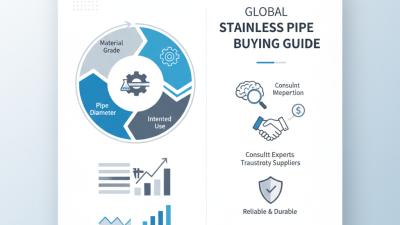
Corrosion engineer Dr. John H. Payer has emphasized, “Corrosion control begins with understanding the environment.” This principle applies directly to stainless steel pipe selection. Grade 304 remains practical for many indoor and low-corrosion applications. Grade 316L offers stronger resistance where chlorides, coastal air, or chemical exposure are present. Duplex 2205 can provide higher strength, but it demands tighter control during welding and heat treatment. Seamless pipe may suit high-pressure service, while welded pipe can offer better economy for many industrial systems.
Standards matter too. Buyers should check ASTM, ASME, EN, or equivalent specifications before comparing suppliers. Confirm the grade, dimensions, pressure rating, test records, and traceability documents. Certification is not decoration.
Mistakes still happen.
A buyer may focus on price and overlook installation conditions. Another may choose 316L automatically, even when a different alloy or finish is more suitable. That is where careful review becomes essential. The best stainless steel pipe is not universally “the strongest” or “the cheapest.” It is the pipe that matches the service environment, project standard, and long-term maintenance plan with dependable evidence.
Stainless Steel Pipe Types and Their Key Characteristics
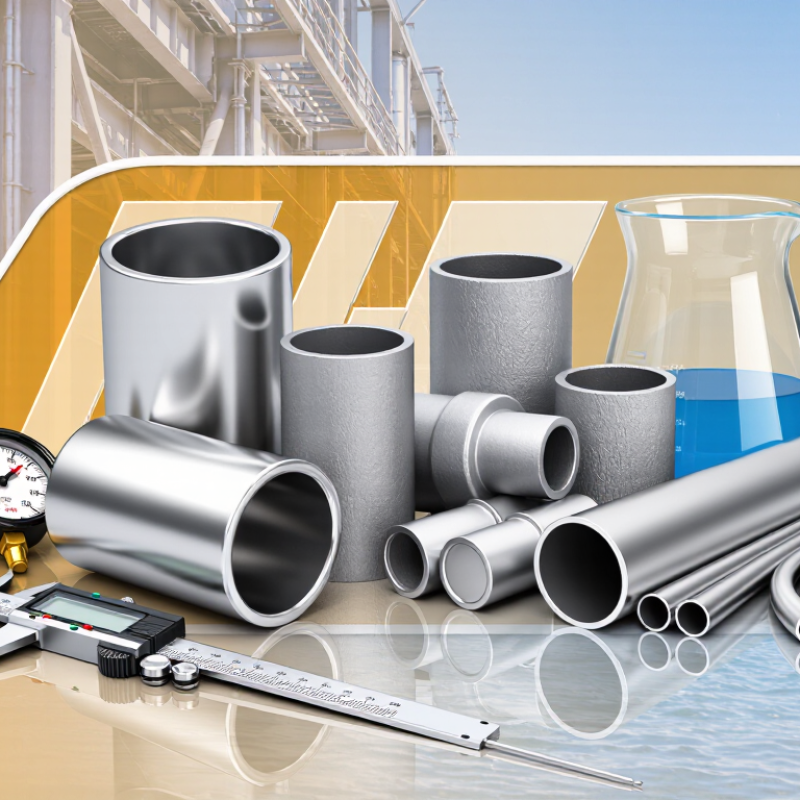
Choosing the right stainless steel pipe depends on its manufacturing method, service conditions, and required dimensions. Seamless stainless steel pipe is formed from a solid billet without a longitudinal weld. It offers strong pressure resistance and a smooth internal surface. This makes it useful for high-pressure lines, heat exchangers, and demanding process systems. However, seamless pipe usually costs more and may have fewer size options.
Welded stainless steel pipe begins with a steel strip that is rolled and joined along its length. Modern welding methods can create a consistent seam with reliable strength. Welded pipe often provides better availability, tighter dimensional control, and lower material costs. Still, buyers should review weld inspection records, especially for corrosive fluids or cyclic pressure. A polished interior may also be needed for hygienic applications.
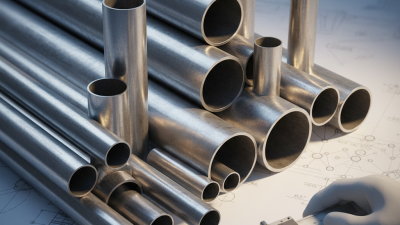
Round pipe remains the common choice for fluid transport. Square and rectangular sections suit frames, supports, and architectural structures. Thin-wall pipe reduces weight, while heavy-wall pipe tolerates greater mechanical stress. Grades such as 304 and 316 offer different corrosion performance, but neither is universally best. Chlorides, temperature, and cleaning chemicals can change the decision. In practical sourcing, confirm outside diameter, wall thickness, tolerance, surface finish, and test certificates. Check them against the required regional standard. One overlooked detail is packaging. Wet wrapping can leave stains during long sea transport. I have seen specifications look perfect, yet the final application exposed an unconsidered temperature problem.
How Global Buyers Compare Seamless, Welded, and ERW Pipes
Global buyers often compare seamless, welded, and ERW pipes by application, pressure, and total cost.
Seamless pipes are formed without a longitudinal weld. They suit demanding pressure service, high temperatures, and critical mechanical loads. However, they usually cost more and may have wider dimensional variation.
Welded pipes are made from steel plate or coil, then joined along a seam. They support larger diameters and offer efficient production for water systems, structural work, and low-to-medium pressure lines.
ERW pipes use electric resistance to create a precise longitudinal weld. Modern ERW production can provide clean surfaces, consistent wall thickness, and competitive pricing. Buyers should still request weld inspection records, dimensional reports, and hydrostatic test results.
The best choice depends on evidence, not habit. I have seen buyers select seamless pipe for every project, then discover unnecessary material costs. A flawless comparison can still mislead.
Check pressure ratings, temperature, fluid properties, corrosion allowance, and connection requirements together. For ERW and other welded pipes, ask about ultrasonic testing and seam treatment. For seamless products, review heat numbers and mechanical test certificates.
Supplier experience matters, but documented process control matters more. Small differences in ovality or wall thickness can complicate field welding. Delivery distance also affects the real purchase price. A technically strong pipe may be a poor choice when inspection, storage, or installation conditions are ignored.
Choosing the Right Stainless Steel Grade for Each Application
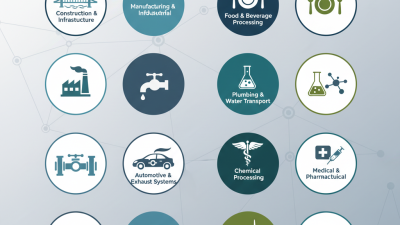
Selecting stainless steel pipe by appearance alone can create costly failures. The grade must match the fluid, temperature, pressure, and installation environment. In practical sourcing work, 304 is often suitable for food equipment, indoor piping, and general water service. It offers balanced corrosion resistance and reasonable availability. However, it is not a universal solution.
For coastal locations, chemical processing, or chloride-bearing water, 316 usually provides better protection because molybdenum improves resistance to pitting. Duplex stainless steel can be considered when high strength and chloride resistance are both important. It may reduce wall thickness, but welding requires tighter control. For elevated temperatures, 321 can perform more reliably than standard 304 because titanium reduces sensitization risks. Every choice has limits.
Do not overlook lower-alloy options. 430 may work for dry indoor applications, but it is less dependable in wet or salty conditions. Before ordering, global buyers should review mill certificates, heat numbers, chemical composition, dimensional tolerances, and pressure-test records. Ask whether the supplier can provide positive material identification. It is a small check. It can prevent a serious mismatch.
I would also verify ASTM or EN requirements against local project specifications. A technically correct grade can still fail procurement requirements if documentation is incomplete. Surface finish matters too, especially where cleaning is frequent. In one project, the grade was acceptable, but poor weld finishing created contamination points. The lesson is uncomfortable: material selection and fabrication quality must be judged together.
Evaluating Standards, Sizes, Finishes, and Performance Requirements
Which Stainless Steel Pipe Type Is Best for Global Buyers?
Global buyers should match the pipe standard to the project’s real operating conditions. ASTM, ASME, EN, and ISO documents may define different dimensions, tests, and acceptance rules. Do not compare certificates by title alone. Check the exact grade, heat number, test report, and inspection scope. A pipe marked “stainless” is not automatically suitable for saltwater, chemicals, or high heat.
Size selection requires more than outside diameter. Wall thickness affects pressure capacity, weight, welding, and corrosion allowance. Confirm the required schedule, length tolerance, ovality, and connection method.
Seamless pipe may suit demanding pressure service, while welded pipe can offer practical sizing and cost advantages. Small details matter. I have seen orders delayed because metric and imperial dimensions were mixed.
Surface finish should match the application, not only appearance. A 2B finish often fits general industrial use, while BA or polished surfaces may support decorative or hygienic requirements. Pickling and passivation can remove welding residues and improve corrosion resistance, but they cannot repair poor material selection.
Review surface roughness, weld treatment, cleanliness, and packaging before shipment. Performance also depends on temperature, pressure cycles, chloride exposure, and installation quality. A bright surface can still hide weak weld control or incorrect wall thickness. My own assessment would remain cautious when a supplier provides attractive samples but limited test evidence.
Balancing Quality, Cost, Supply, and International Compliance
Choosing the best stainless steel pipe depends on service conditions, not appearance alone. Welded pipe often offers lower cost and wider availability. Seamless pipe may suit high-pressure or critical applications, but it usually costs more and needs longer planning. Grade selection matters too. 304 works well in many general environments. 316L provides stronger resistance in chloride-rich or marine conditions.
Experienced buyers compare more than the quoted price. They check wall thickness, outside diameter, surface finish, tolerances, and required testing. A mill test certificate should confirm chemical composition and mechanical properties. For international orders, request traceability documents and inspection records before shipment. Standards such as ASTM, EN, or other project specifications must match the destination market. Customs descriptions and packaging details also deserve attention.
Supply reliability can change the decision. A technically perfect pipe is useless if production takes twelve weeks. I have seen low-cost orders become expensive after delays, retesting, and rejected paperwork. That mistake is easy to make. Confirm production capacity, sample approval, shipping terms, and replacement procedures in writing. Independent inspection adds cost, yet it can reveal ovality, surface defects, or incorrect markings before loading. Still, inspection is not infallible. Buyers should review the inspection scope carefully and keep realistic acceptance criteria. A balanced choice usually combines verified quality, predictable supply, transparent documentation, and a total delivered cost that survives real project conditions.