How to Find the Best Industrial Arm Solutions in China?
When seeking Industrial Arm Solutions in China, the options can be overwhelming. Understanding the unique aspects of this sector is crucial. China's rapid development in automation technology has made it a leader in industrial arm solutions. However, not all suppliers offer the same quality or innovation.
Evaluating potential vendors is essential for success. Look for those with extensive industry experience and a solid reputation. Visiting factories or reading customer reviews can provide deeper insights. Beware of suppliers with vague claims and insufficient information. Details matter when choosing the best solutions.
Trustworthiness and expertise are critical in this industry. The best solutions often come from firms that demonstrate both. They should provide case studies and technical specifications. Only then can you make an informed decision on Industrial Arm Solutions in China. It's worth taking the time to reflect on what works for your specific needs.
Understanding Industrial Arm Solutions: Types and Applications
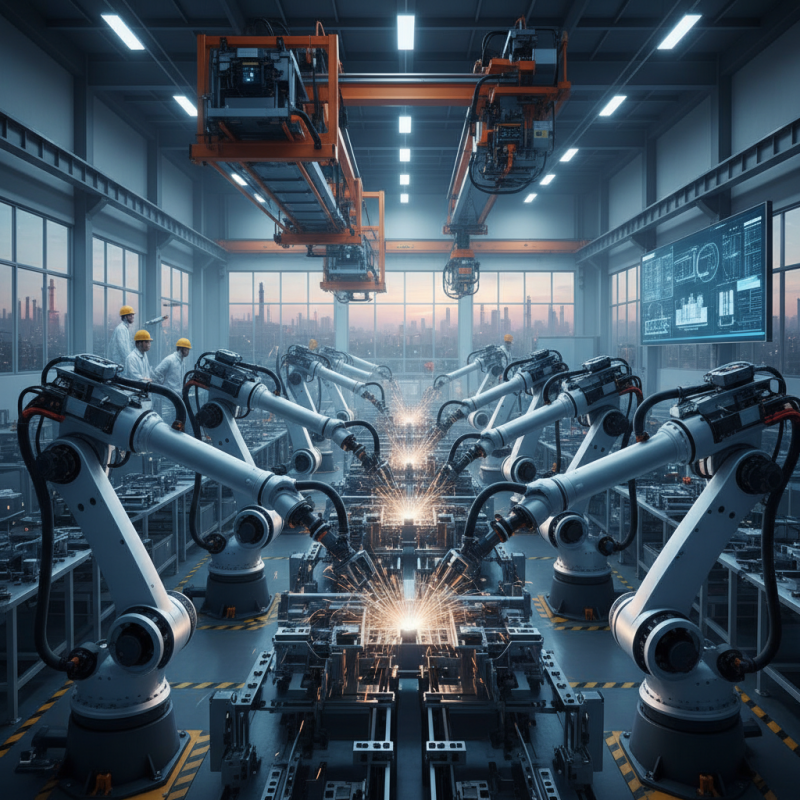
Industrial arm solutions play a crucial role in automation across various sectors. However, potential buyers often face confusion due to the diverse types and applications. Understanding these elements can lead to more informed purchasing decisions.
There are several types of industrial arms available. Articulated arms offer flexibility and precision, making them ideal for intricate assembly tasks. Cartesian arms provide linear movements and are often used in pick-and-place operations. A report by MarketsandMarkets indicates that the industrial robotics market, including arms, is projected to reach $83 billion by 2025. This highlights the increasing reliance on automation worldwide.
The application of industrial arm solutions is vast. These arms are transforming manufacturing, logistics, and even healthcare. In manufacturing, they enhance productivity by reducing cycle times. A study shows that industrial arms can boost production efficiency by approximately 30%. Despite these advantages, not all applications may yield expected improvements. Factors like integration challenges and maintenance can affect overall performance. It is crucial to weigh both strengths and potential pitfalls when exploring these solutions.
Key Factors to Consider When Choosing a Supplier in China
When choosing a supplier for industrial arm solutions in China, consider their experience. A supplier with a long history often understands market demands better. They can offer insights into the latest technologies. Experience matters, but innovation is crucial too. A supplier must balance both.
Quality is essential. Ask for certifications and quality assurance processes. Verify how they handle quality control. Communication is key; they should be responsive and clear. A supplier that engages well can navigate challenges better. This can save time and reduce frustration.
Cost-efficiency impacts your bottom line. However, don’t compromise quality for lower prices. Sometimes, cheaper products result in higher long-term costs. Evaluate the supplier's long-term reliability. Can they scale with your needs? Reflect on these factors carefully to make an informed decision.
Researching Reputable Manufacturers and Their Product Quality
When searching for the best industrial arm solutions in China, examining manufacturers' reputations is crucial. Quality varies significantly among them. According to industry reports, about 44% of companies face issues with inconsistent product quality. This statistic highlights the need for thorough research.
Investigating product quality often means looking into certifications and customer reviews. Certifications like ISO 9001 can be indicators of a manufacturer’s commitment to quality. Additionally, reviews from previous clients can provide real-life insights into performance and reliability. A report noted that 62% of buyers prefer suppliers with strong customer feedback.
Alongside these factors, consider the technology used in production. Advanced automation can enhance precision and durability, while outdated methods may compromise these qualities. Not all manufacturers adopt the latest technologies. This gap can lead to significant differences in product longevity and functionality. Thus, it’s essential to analyze not only the products but also the processes behind them.
Industrial Arm Solutions Quality Comparison
Evaluating Pricing and Cost-Effectiveness of Industrial Arms
When evaluating the pricing and cost-effectiveness of industrial arms in China, several factors come into play. Data from industry reports suggest that the average cost of an industrial robotic arm ranges from $20,000 to $150,000. This significant range depends on factors like payload capacity, precision, and technology level. Many manufacturers struggle to balance quality and affordability, often opting for lower-cost options that may compromise performance.
Resource allocation is essential. A study by [Industry Analysis Report] indicates that companies can save up to 30% on production costs by investing in higher-quality robotic arms that last longer. While upfront costs may be steeper, the long-term savings on repairs and efficiency improvements justify the investment. However, some businesses overlook this, leading to hidden costs that pile up over time.
Hidden expenses are another aspect that needs reflection. Maintenance costs can vary significantly, impacting overall effectiveness. A well-maintained arm can reduce downtime and repair needs. On average, businesses spend approximately 5-10% of the initial arm cost on maintenance annually. This statistic prompts companies to weigh initial affordability against potential ongoing costs. Careful consideration is crucial in selecting the right industrial arms for optimal performance and cost-effectiveness.
Assessing Customer Support and After-Sales Services in China
When choosing industrial arm solutions in China, customer support and after-sales services are crucial factors. Many manufacturers tout their technical capabilities. However, effective support can make a significant difference in operational success. A responsive support team can urgently address issues that arise during production. Quick access to spare parts is also essential. Long waiting times can halt operations.
Assessing after-sales services requires diligence. Look for companies that offer extended warranties and maintenance packages. This demonstrates their commitment to quality. Reviews and testimonials provide insights into real user experiences. Focus on feedback regarding responsiveness and resolution times. Some companies may claim superior support but fail to deliver consistently.
Inquire about local service centers and technical assistance. Availability of local support can drastically reduce downtime. Some manufacturers may have excellent products but lack comprehensive service networks. This is a red flag. Balancing product quality and effective support is necessary for long-term partnerships. It’s wise to prioritize companies that not only sell but also stand behind their solutions.
