What is the Best Current Transformer for Global Purchasers?
In the evolving field of electrical engineering, Current Transformers (CTs) play a critical role. According to recent industry reports, the demand for high-quality CTs has surged, growing at an annual rate of over 5%. This growth is largely fueled by increasing investments in renewable energy and smart grid technologies. As global purchasers seek the best options, knowing the specifications and applications of various CTs is essential.
CTs are crucial for measuring electrical currents, ensuring the safety and efficiency of systems. They transform high currents into manageable levels, making monitoring and control accessible. However, not all CTs are created equal. Variations in design and material affect performance, which can lead to challenges in procurement. Additionally, buyers must navigate an intricate landscape of standards and certifications to ensure reliability and safety.
Market trends highlight the need for innovation and adaptability. The quest for the ideal CT involves assessing features like accuracy, burden, and thermal stability. Purchasers often face dilemmas that can impact system performance. As the industry becomes more competitive, understanding the nuances of Current Transformers is vital for making informed decisions.
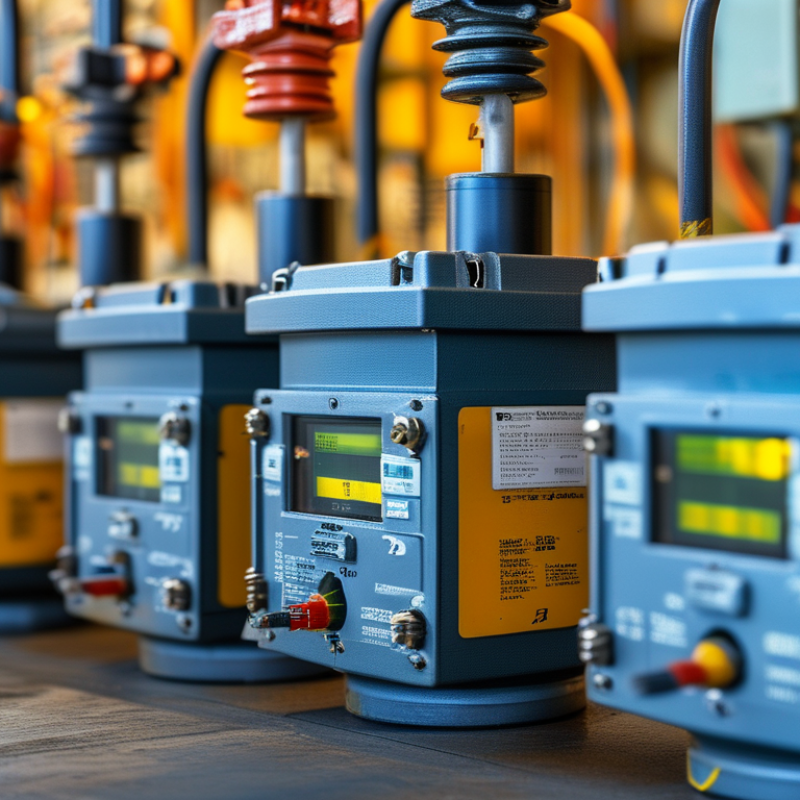
Understanding Current Transformers and Their Applications
Current transformers (CTs) are essential devices in electrical engineering. They play a crucial role in measuring and monitoring electric currents in various applications. The efficiency of a CT depends on its design and the materials used. A report by the International Electrotechnical Commission reveals that the global current transformer market is expected to grow substantially, driven by the demand for increased electrical safety and automation.
Choosing the right current transformer involves understanding its applications. CTs are often used in power systems for protection and metering purposes. They help maintain system integrity by ensuring accurate readings, which are critical for monitoring power consumption. According to a recent industry analysis, accurate current measurement can improve energy efficiency by up to 10%.
**Tip:** When selecting CTs, consider the installation environment. High humidity and temperature fluctuations can affect performance.
Not all current transformers are created equal. Some models may degrade over time, leading to inaccuracies. Regular testing is vital to ensure reliability. Additionally, interference from external magnetic fields can compromise readings. Ensure that your CT is well-shielded to mitigate this issue.
**Tip:** Regularly consult technical documentation and user reviews to gauge product reliability. Knowing how to interpret this data can guide better purchasing decisions.
What is the Best Current Transformer for Global Purchasers?
| Transformer Type | Current Rating (A) | Accuracy Class | Application | Price Range (USD) |
| Ring Type | 5 - 100 | 0.5 | Measurement | 50 - 200 |
| Split-core | 10 - 200 | 1.0 | Energy Monitoring | 30 - 150 |
| Toroidal | 20 - 300 | 0.2 | Protection | 100 - 250 |
| Open-loop | 15 - 150 | 0.5 | Generator Monitoring | 70 - 180 |
Key Factors to Consider When Selecting a Current Transformer
When selecting a current transformer, several key factors must be taken into consideration. Accuracy is paramount. A higher accuracy class ensures reliable measurements, which is critical for system operations. Without precise measurements, even the best systems can face failures and inefficiencies.
The burden rating of the transformer also plays a significant role. It indicates how much voltage the transformer can handle under load. Selecting a transformer with a suitable burden rating is essential to prevent overheating and ensure longevity. Environmental conditions should not be overlooked. Operating temperature ranges and protection levels must match the intended installation site.
Material quality is another crucial consideration. Materials that enhance performance can reduce the likelihood of errors. Using inferior materials can lead to faulty readings. It’s important to think about installation requirements and maintenance. Complicated setups can introduce errors and increase costs over time. Reflecting on these elements can enhance decision-making, aiding in the selection of the best current transformer for your needs.
Top Current Transformer Brands and Models for Global Buyers
When choosing a current transformer, global buyers should consider several top brands and models available in the market. Leading industry reports indicate that tension between efficiency and cost is a prevalent concern among buyers. Many transformers now boast a high accuracy rating of 0.1 to 0.5 class. This precision is critical for applications in power generation and distribution.
Analysts highlight that a focus on compact designs can save significant installation space. For instance, some models are engineered for easy integration into existing power systems. Efficiency rates exceeding 99% have been observed, which can significantly impact operational costs. However, selection might become overwhelming due to the plethora of options available. Careful consideration of specifications related to voltage ratings and insulation levels is essential.
A common oversight is failing to evaluate the long-term reliability and maintenance needs of transformers. Some models may offer lower upfront costs but incur higher repair expenses over time. Buyers often prioritize price over durability, which can lead to unsatisfactory performance. Balancing initial investment with long-term operational efficiency is crucial. Integrating expert advice and industry benchmarks can help refine choices for current transformer procurement, ensuring more informed decision-making.
Comparative Performance of Current Transformers in Various Industries
Current transformers (CTs) play a critical role in electrical systems across various industries. Their performance can significantly influence operational efficiency and safety. According to industry reports, the accuracy of current transformers can vary remarkably, with some showing deviations of up to 5% in specific applications. This discrepancy can lead to significant issues, particularly in sectors like renewable energy, where precise measurements are crucial for grid stability.
In manufacturing, the demand for high-quality CTs is evident. Research indicates that about 70% of electrical failures can be traced back to inadequate measuring devices. These failures not only halt production but also incur high corrective costs. Additionally, the integration of smart technology in CTs is gaining traction, yet many devices still lack real-time monitoring capabilities, which is essential for predictive maintenance.
The oil and gas industry relies heavily on dependable CTs for monitoring power usage. Reports suggest that inaccurate readings can lead to inflated operational costs, significantly impacting profit margins. Some transformers struggle to perform under extreme environmental conditions, highlighting the need for designs that can withstand temperature and humidity variations. There is an ongoing debate on optimizing materials to enhance durability without sacrificing accuracy.
Cost-Effectiveness and Availability of Current Transformers Worldwide
When evaluating current transformers for international procurement, cost-effectiveness is paramount. Many industries rely on these devices for accurate measurement and monitoring. Ensuring an efficient budget allocation can significantly impact a company’s bottom line. Thus, it is crucial to assess not just the initial cost but also the long-term benefits. High-quality products may seem pricier, but they often reduce maintenance costs and increase lifespan.
Availability is another critical factor when selecting current transformers. Global supply chains can be unpredictable. Local sourcing can mitigate delays, but might limit options. Buyers should explore multiple suppliers. It is wise to conduct thorough market research. Understanding regional dynamics can unveil hidden opportunities. However, there is always the risk of over-saturating the market with low-cost options, which could lead to quality compromises.
Furthermore, customization needs to be considered. Different applications require different specifications. Some may demand higher accuracy. Others may prioritize compact designs. It’s easy to overlook these details during the purchasing process. Hence, reflecting on specific project requirements is essential. Quality and cost must align with operational needs.
Cost-Effectiveness of Current Transformers Worldwide
