2026 Best Carbon Steel Pipe Options for Your Project Needs?
When it comes to construction and manufacturing, the choice of materials is crucial. Carbon steel pipe stands out as a versatile option, suitable for various applications. Its strength and durability make it a preferred choice among engineers and builders. However, not all carbon steel pipes are created equal.
Understanding the different types and specifications can be overwhelming. There are many factors to consider, from wall thickness to coating types. Each detail can impact the performance and longevity of the project. For instance, a thicker wall generally offers better resistance to pressure. Yet, it may also lead to higher costs and challenges in installation.
As you explore the best carbon steel pipe options for your project, it’s essential to weigh the pros and cons. Are you using it for high-pressure systems or structural support? The answer may guide you toward specific grades or treatments. In the quest for optimal materials, keep in mind that the best choice is not always the most straightforward one. Careful evaluation can lead to better outcomes and savings in the long run.
Overview of Carbon Steel Pipes: Properties and Benefits
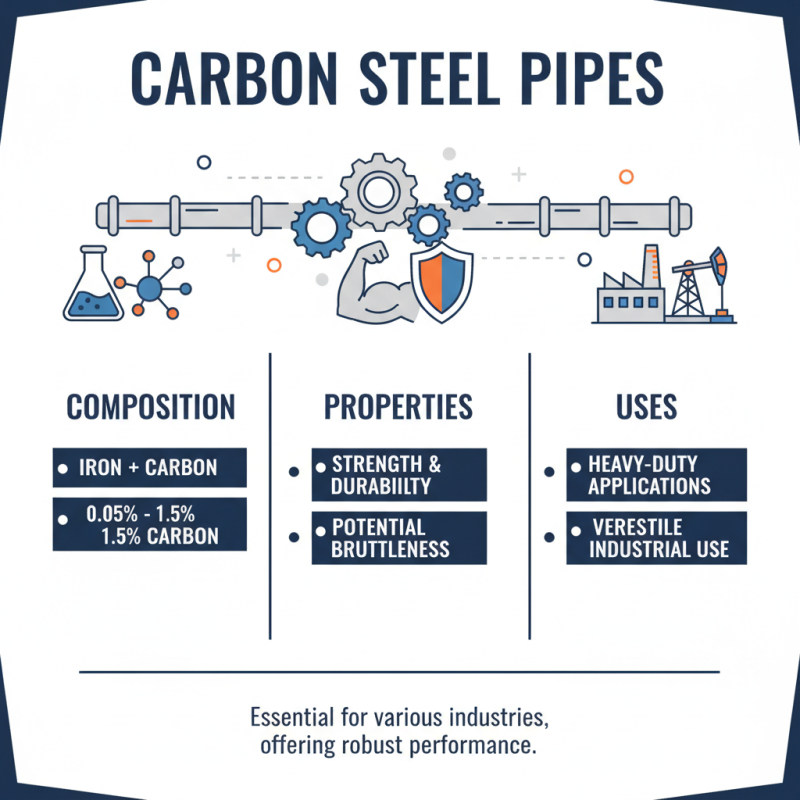
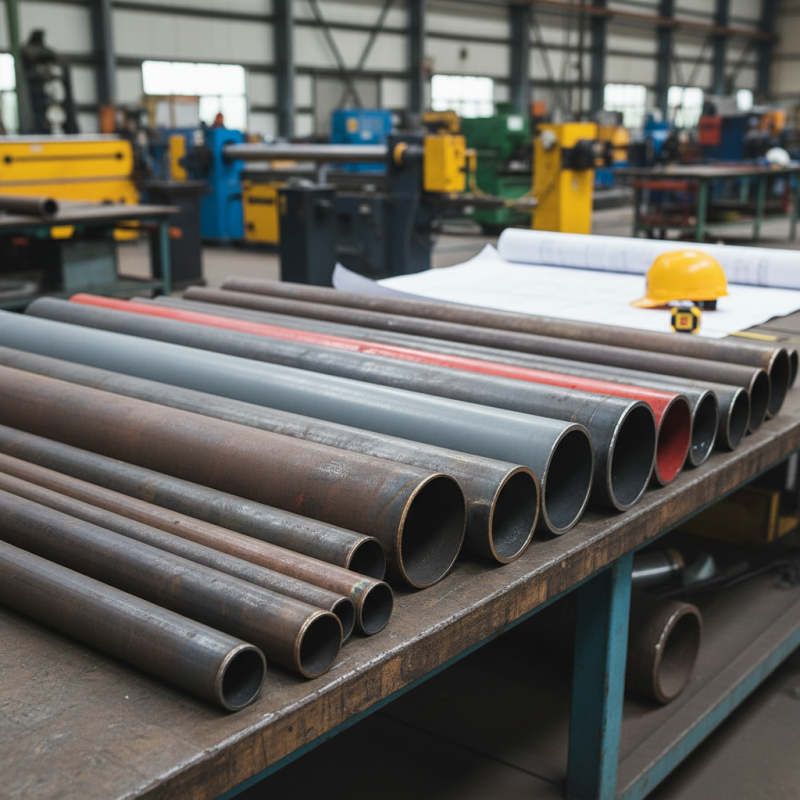
Carbon steel pipes are versatile and widely used in various industries. They offer strength and durability, making them ideal for heavy-duty applications. These pipes are made from iron and carbon. The carbon content typically ranges from 0.05% to 1.5%. This composition enhances their strength but can also introduce some brittleness.
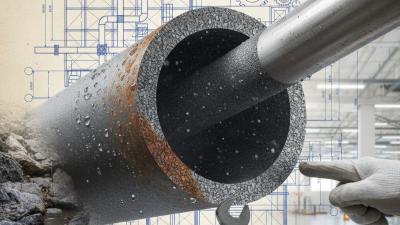
One of the major benefits of carbon steel pipes is their resistance to pressure. They can withstand high temperatures and loads effectively. However, they are prone to corrosion, especially in humid environments. Proper coating or insulation is necessary to mitigate this risk. Additionally, their weldability is a key feature, allowing for easy joining with other materials.
While carbon steel pipes are often cost-effective, their maintenance can be a challenge. Regular checks for signs of wear or corrosion are vital. They can be heavy and difficult to maneuver. In some cases, lighter alternatives may be more suitable. It's essential to weigh the pros and cons based on specific project needs.
Types of Carbon Steel Pipes: A Comparative Analysis
When considering carbon steel pipes for your project, it's essential to understand the different types available. The three primary categories are low carbon, medium carbon, and high carbon steel pipes. Low carbon pipes contain less than 0.3% carbon. They are ductile and soft, making them easy to work with. These pipes are often used in structural applications and are cost-effective.
Medium carbon pipes, which have carbon content between 0.3% and 0.6%, offer a balance of strength and ductility. They are suitable for high-stress applications and are often used in mechanical systems. High carbon pipes, with 0.6% or more carbon, provide exceptional hardness. However, their brittleness might pose challenges during installation and fabrication.
Choosing the right type of carbon steel pipe demands careful consideration. Each type has unique properties that may affect your project. While low carbon pipes are versatile, they may not meet all strength requirements. High carbon pipes, though strong, may require specialized handling techniques. Understanding these distinctions is crucial for optimizing your project’s performance.
2026 Best Carbon Steel Pipe Options for Your Project Needs
| Type of Carbon Steel Pipe |
Applications |
Diameter Range (inches) |
Wall Thickness (inches) |
Pros |
Cons |
| Seamless Carbon Steel Pipe |
Oil and gas, structural applications |
1/8 to 48 |
0.035 to 4 |
High pressure and temperature tolerance |
More expensive than welded pipes |
| Welded Carbon Steel Pipe |
Building construction, plumbing |
1/2 to 24 |
0.049 to 0.375 |
Cost-effective, scalable production |
Lower strength compared to seamless |
| Carbon Steel Structural Pipe |
Scaffolding, supports |
2 to 12 |
0.125 to 0.5 |
Good tensile strength and ductility |
Can corrode without proper coating |
| API Carbon Steel Pipe |
Pipeline for oil and gas |
1 to 36 |
0.154 to 0.688 |
Meets API standards for quality |
Requires additional testing and certification |
Key Factors to Consider When Choosing Carbon Steel Pipes
When selecting carbon steel pipes for your project, there are several key factors to consider. One major aspect is the grade of steel. Grades such as ASTM A106 and A53 differ in properties, which can impact performance. A report by the Steel Pipe Institute suggests that using the correct grade can enhance durability and longevity. The dimensions of the pipe also matter. Ensure that you calculate the required diameter and wall thickness accurately.
Another crucial factor is the application. For instance, high-pressure systems require different specifications than standard ones. Understanding the environmental conditions, such as temperature and potential corrosion, is vital. A 2021 study indicated that 20% of failures in pipe systems resulted from improper material selection.
Tips: Always consult with engineering professionals when in doubt. Doing so may save time and money in the long run. Additionally, consider potential lead times. Some grades may take longer to procure due to availability. Lastly, be open to reassessing your choices; the best options can change as technology evolves.
Top Manufacturers and Brands of Carbon Steel Pipes in 2026
In 2026, the carbon steel pipe market continues to evolve, driven by various industrial needs. Key manufacturers focus on producing high-quality pipes. Industry reports indicate a growing demand, with an annual increase of approximately 4% in carbon steel pipe usage. This growth is evident across several sectors, including construction and oil and gas.
Many brands emphasize durability and corrosion resistance. An increasing number of projects require pipes that can withstand extreme conditions. For instance, a recent survey revealed that 58% of engineers prioritize longevity when selecting pipe materials. Choosing the right manufacturer can greatly impact project success.
Tips: Consider the intended application for your pipes. Are they for short-term or long-term use? Evaluate the specifications carefully. Some brands may look appealing but lack true reliability. When evaluating options, don’t overlook the importance of customer service. Engaging with a supportive manufacturer can help mitigate potential issues down the line.
Applications of Carbon Steel Pipes in Various Industries
Carbon steel pipes play a crucial role in various industries, thanks to their strength and durability. In the oil and gas sector, these pipes are commonly used for transporting crude oil and natural gas. A report by the World Steel Association noted that in 2022, over 55 million tonnes of carbon steel were used in pipeline development alone. This underscores the material’s importance in energy transportation.
In construction, carbon steel pipes are favored for structural support and plumbing systems. Their mechanical properties are well-suited for high-pressure applications. Data from the American Society of Civil Engineers indicates that carbon steel pipes account for almost 30% of pipe materials used in large construction projects. However, challenges exist regarding corrosion and maintenance. Inadequate protective measures can lead to expensive repairs over time.
Additionally, the manufacturing industry relies heavily on carbon steel pipes for machinery and equipment. These pipes are integral to various systems, including hydraulic lines and cooling systems. With increasing demand, the industry must address quality inconsistencies. Reports from the Steel Manufacturers Association highlight that 10% of carbon steel pipes produced may not meet the safety standards needed for critical applications. This raises concerns about reliability and necessitates a focus on quality control.