Top 10 Benefits of Using Tin Cans for Packaging Products?
Tin cans have been a staple in packaging for decades. Their robust design and versatile applications make them a popular choice among manufacturers and consumers alike. The durability of tin cans ensures that products remain fresh and protected from external elements. These containers not only preserve food but also enhance shelf life, making them indispensable in both home kitchens and commercial settings.
Additionally, tin cans are eco-friendly and recyclable. This sustainability factor appeals to environmentally conscious consumers. They are easy to stack and store, optimizing space in distribution and retail. When it comes to aesthetics, tin cans offer unique branding opportunities. Companies can use creative designs to attract customers and stand out in the market.
However, it is worth noting that not all consumers appreciate tin cans. Some may find them less convenient than other packaging types. Despite this, the benefits of using tin cans for packaging products are numerous and significant. They combine functionality with environmental responsibility, addressing both consumer needs and industry trends.
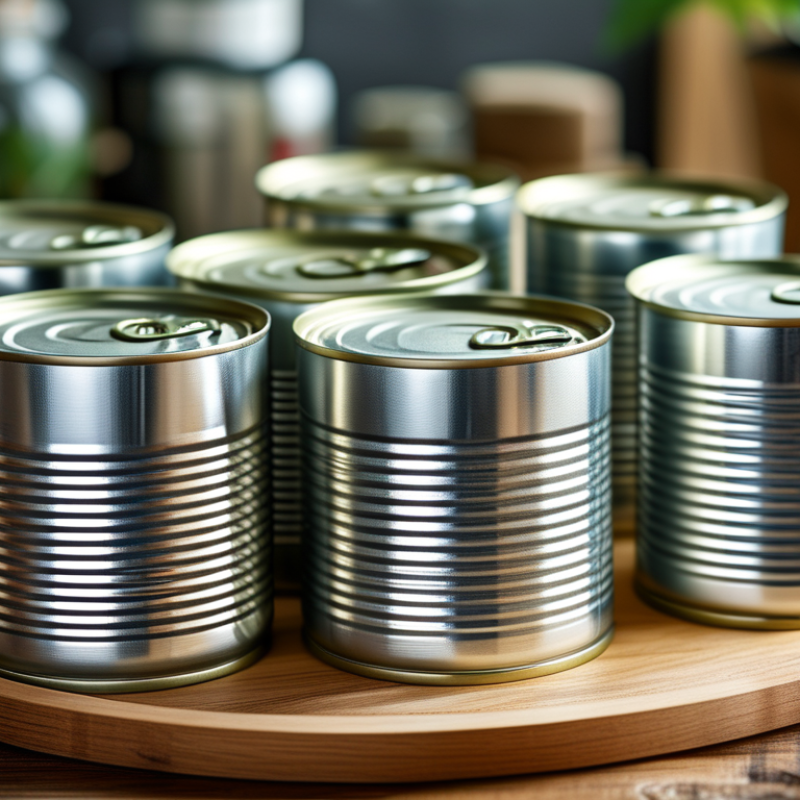
Advantages of Tin Cans in Product Preservation
Tin cans have emerged as a staple in product preservation, offering numerous benefits that enhance shelf life and freshness. Their solid structure provides an effective barrier against light, moisture, and air. This helps to prevent oxidation and spoilage. Many products, from food to beverages, maintain their original quality for extended periods when stored in tin cans. The integrity of canned goods often leads to reduced waste compared to other packaging options.
While tin cans excel in preservation, it is also crucial to address potential concerns. Some consumers worry about the safety of using metal packaging. However, studies indicate that modern cans are safe and lined with non-toxic materials. Additionally, there can be variability in how products respond to canning. Certain items may not perform as well when sealed in tin. Choosing the right packaging for specific products remains an important consideration.
Recycling is another significant aspect of tin cans. They are highly recyclable, promoting sustainability. Many people see this as a major advantage. Yet, the recycling process can sometimes be inconsistent, raising questions about environmental impact. It is essential to encourage responsible recycling habits to fully reap the benefits of tin cans in reducing waste and conserving resources.
Top 10 Benefits of Using Tin Cans for Packaging Products
| Benefit | Description |
| Durability | Tin cans provide excellent protection against physical impact, ensuring product safety during transport and storage. |
| Lightweight | Compared to glass containers, tin cans are significantly lighter, which reduces shipping costs. |
| Recyclability | Tin cans can be recycled multiple times without losing quality, supporting environmental sustainability. |
| Long Shelf Life | Canned products have a long shelf life due to their sealed environment, which prevents spoilage. |
| Protects Flavor and Nutrients | Tin cans effectively block light and air, preserving the flavor and nutritional value of the contents. |
| Cost-Effectiveness | Tin cans are generally more affordable to produce compared to glass or plastic alternatives. |
| Versatile Sizes | Tin cans are available in various sizes, making them suitable for a wide range of products. |
| Safety | Tin cans are made from food-safe materials, ensuring that they do not contaminate the product. |
| Easy to Open | Many tin cans come with easy-open lids, enhancing user convenience during consumption. |
| Customizable | Tin cans can be easily printed with custom designs, making them a great marketing tool. |
Environmental Benefits of Using Tin Cans for Packaging
Tin cans offer significant environmental benefits in packaging. These cans are made from recyclable materials. According to the EPA, steel and aluminum cans have a recycling rate exceeding 70%. This means that a large percentage of cans are reused, reducing waste.
Recycling aluminum cans saves 95% of the energy needed to produce new cans. This energy efficiency contributes to lower carbon emissions. Moreover, tin cans are lightweight, which reduces transportation emissions during delivery. The use of tin cans can promote sustainability in various industries.
However, the production process isn’t flawless. Mining and refining metals can harm ecosystems. Additionally, if cans are not properly recycled, they contribute to landfill waste. As consumers become more aware of these issues, the importance of proper recycling cannot be overstated. By addressing these challenges, industries can enhance the environmental benefits of tin cans.
Cost-Effectiveness of Tin Can Packaging for Manufacturers
Tin can packaging presents significant cost advantages for manufacturers. According to the Metal Packaging Manufacturers Association, tin cans can reduce packaging costs by up to 30% compared to other materials like glass and plastic. This is due to their lower production costs and easy recyclability, which minimizes waste and reduces overall expenses. Manufacturers can benefit from reduced shipping costs as well, thanks to the lightweight nature of tin cans.
In addition, the durability of tin can packaging leads to fewer damages during transit. The ability to withstand high pressure and temperature changes makes them ideal for various products, ranging from food to beverages. Furthermore, the World Economic Forum reported that sustainable practices are becoming essential. Using tin cans, which are highly recyclable, enhances a brand's reputation and reduces environmental impact. However, not all consumers are aware of this benefit, posing a challenge for manufacturers to educate their audience.
Despite these benefits, some may question the initial investments in equipment and tooling for tin can production. Transitioning from other materials may involve upfront costs. Nevertheless, the long-term savings and efficiency improvements often outweigh these initial hurdles, making tin can packaging a worthwhile commitment for manufacturers.
Top 10 Benefits of Using Tin Cans for Packaging Products
Versatility of Tin Cans Across Various Industries
The versatility of tin cans makes them a preferred choice for various industries. In the food sector, for example, they protect products from light and moisture. This enhances shelf life significantly. A study by the National Institute of Health found that canned food can last for years without spoiling.
Beyond food, tin cans are increasingly used in the cosmetics and personal care industries. Research from Packaging Strategies indicated that over 30% of cosmetics are packaged in metal containers. Their sleek, customizable designs appeal to consumers. Furthermore, tin cans are 100% recyclable, a crucial factor in an age focused on sustainability.
Nevertheless, there are challenges. Transportation costs can rise due to their weight. Also, not all products are suitable for tin packaging. Companies must evaluate compatibility carefully. Manufacturers are continually adapting, focusing on innovative designs to meet consumer preferences. This adaptability may shape the future of tin can usage across various sectors.
Consumer Preferences and Perceptions of Tin Can Packaging
Consumer preferences regarding tin can packaging have shifted significantly in recent years. According to a 2022 report by the Beverage Marketing Corporation, more than 70% of consumers consider the recyclability of packaging crucial when making purchases. Tin cans, being fully recyclable, appeal to environmentally-conscious buyers. This trend reflects a broader concern with sustainability, as reported by the Sustainable Packaging Coalition, which emphasizes consumer expectations for eco-friendly materials.
Moreover, the perceptions of tin cans have evolved. Research from the Packaging Innovation Conference indicates that nearly 60% of consumers associate tin cans with high quality and freshness. The durable nature of tin protects contents from light and air, preserving flavor and shelf life. However, some consumers still harbor concerns about the potential for metallic taste. Addressing these perceptions is vital for manufacturers, as improved technology can minimize this issue while focusing on visual appeal and labeling. Ultimately, the market dynamics surrounding tin can packaging necessitate continual adaptation to shifting consumer attitudes.
