What is an Adult Mobility Scooter and How Does It Work?
An Adult Mobility Scooter is a vital tool for many individuals with mobility challenges. These scooters offer independence and freedom to navigate daily life. They come in various designs and sizes, catering to different needs. Understanding how an Adult Mobility Scooter works can help users make informed choices.
Designed for ease of use, these scooters typically feature simple controls and comfortable seating. Users can operate them with minimal effort, addressing various physical limitations. However, not all models are suitable for every user. Consideration should be given to size, weight capacity, and battery life.
While Adult Mobility Scooters provide great benefits, they also require regular maintenance. Users must be proactive about care to ensure safety and functionality. Lack of proper maintenance can lead to issues that may affect mobility. Reflecting on your specific needs is crucial for enjoying the full advantages of an Adult Mobility Scooter.
What Defines an Adult Mobility Scooter: Key Features and Specifications
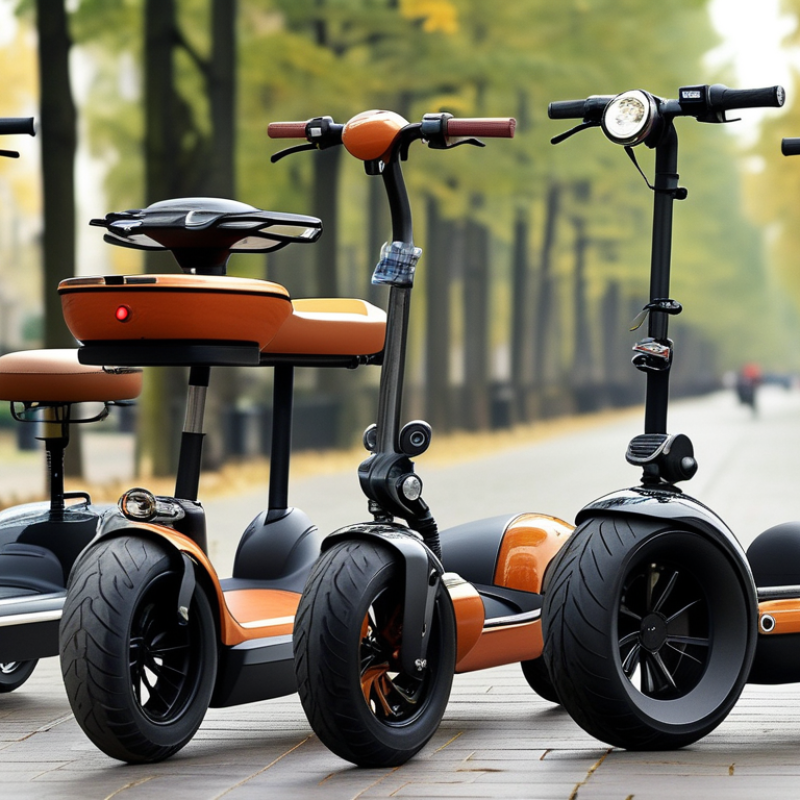
Adult mobility scooters are designed to enhance the independence of individuals with limited mobility. These scooters typically feature a comfortable seat, handlebars for steering, and a sturdy frame. Many models come with adjustable speed settings and two or more wheels that provide stability. The design often includes a storage basket, making it convenient to carry small items.
Key specifications for adult mobility scooters involve weight capacity, battery life, and range. Most scooters can support weights ranging from 300 to 500 pounds. Battery life varies, but a well-designed scooter can operate for up to 25 miles on a single charge. Range is important for users who wish to cover long distances. It's essential to choose a scooter that meets both comfort and functionality needs.
While adult mobility scooters offer numerous advantages, there are aspects requiring careful consideration. Some users find them cumbersome in tight spaces. Maneuverability can be an issue for those in crowded areas. Therefore, potential users must think about their lifestyle and environment before making a decision. A scooter that seems perfect may not work well in all situations.
Types of Adult Mobility Scooters: Comparison of Models and Uses
Adult mobility scooters are designed to aid individuals with limited mobility. There are several types of models, each suited for different needs and environments. Some scooters are compact, perfect for indoor use. Others are heavier and built for outdoor terrains. Understanding the differences can help users select the right model.
When looking at models, consider weight capacity, speed, and battery life. For example, lightweight scooters are easier to transport but may lack power for steep hills. In contrast, heavy-duty models can handle rougher terrains but bulkier and less portable. It's essential to evaluate personal needs to make an informed choice.
Here are some tips when choosing an adult mobility scooter. Always test drive different models to find the most comfortable fit. Check the turning radius for indoor use, especially in tight spaces. Pay attention to the scooter's range to ensure it meets daily needs. Understanding these aspects can enhance the user experience and increase independence.
What is an Adult Mobility Scooter and How Does It Work?
| Model | Top Speed (mph) | Range (miles) | Weight Capacity (lbs) | Features |
| Compact Model | 4.5 | 10 | 300 | Lightweight, Portable |
| Standard Model | 5.0 | 15 | 350 | Comfortable Seat, Storage |
| Heavy-Duty Model | 6.0 | 20 | 450 | Rugged Tires, High Stability |
| Luxury Model | 7.0 | 25 | 400 | Advanced Suspension, High-End Features |
Understanding the Mechanism: How Adult Mobility Scooters Operate
Adult mobility scooters are designed to assist individuals with mobility challenges, providing freedom and independence. Understanding how they operate is crucial for users and caregivers alike.
These scooters typically consist of a sturdy frame, seats with support, and a control system. The electric motor powers the rear wheels, ensuring smooth movement. Users can steer using handlebars or a tiller. The battery life varies, but most offer a range of around 20 miles on a full charge. It's essential to regularly check the battery and tires for optimal performance on different terrains.
Control mechanisms utilize simple levers to accelerate or decelerate. Many models include safety features like lights and horns, enhancing visibility and alerting pedestrians. Users should be aware that navigating inclines can be challenging and require practice. Regular maintenance is needed to ensure long-term reliability. Understanding these mechanisms can empower users to make informed decisions, enhancing their mobility experience.
Industry Insights: Market Trends and Statistics for Mobility Scooters
The mobility scooter market has witnessed significant growth in recent years. According to a report by Market Research Future, the global mobility scooter market is projected to reach approximately $1.05 billion by 2027. This indicates a compound annual growth rate (CAGR) of 6.5% from 2020 to 2027. An aging population and increasing mobility needs drive this growth. Many adults seek independence in their daily activities.
In terms of user demographics, individuals over 65 represent a substantial segment. Nearly 30% of mobility scooter users are 65 and older, highlighting the importance of this product in enhancing their quality of life. However, despite the positive outlook, there are challenges. The market faces issues related to safety, regulations, and product recalls. Incidents of accidents and insufficient training for users raise concerns.
Geographically, North America holds the largest market share. Factors include higher product adoption and awareness. However, emerging markets in Asia Pacific are slowly increasing their presence. These regions are starting to see more awareness of mobility scooters. Accessibility and affordability remain key concerns. Users often feel that choices are limited or too expensive. Balancing cost with quality is critical for manufacturers and consumers alike.
Safety Standards and Regulations for Adult Mobility Scooters in Use
Adult mobility scooters have become essential for many users, providing independence and ease of travel. However, safety standards and regulations are crucial to ensure their safe operation. According to the National Highway Traffic Safety Administration, there were over 1,600 injuries related to mobility scooters in the past year. Understanding safety guidelines can prevent many of these incidents.
Regulations often cover aspects such as maximum speed, weight limit, and safety features like lights and reflective materials. The American National Standards Institute (ANSI) emphasizes that mobility scooters must meet specific criteria to ensure both safety and compliance. This helps users feel secure while navigating various environments.
When using a mobility scooter, users should regularly inspect their device. Check the batteries, brakes, and tires for optimal performance. Always wear reflective clothing when riding in low-light conditions. Additionally, remain aware of your surroundings. Many injuries can occur due to inattentiveness. Educating yourself about local regulations is also wise, as these can vary by location, influencing your riding experience. Staying informed enhances safety and assures a smoother ride.
Overview of Adult Mobility Scooter Safety Standards and Regulations
This chart illustrates the compliance levels of various safety standards and regulations for adult mobility scooters. As indicated, the highest compliance is observed in 'User Age', while 'Speed Limits' presents the lowest compliance level. This data highlights the importance of adhering to safety regulations to ensure the effective use of mobility scooters.
