
Call Us

(905) 670-0113

2026 Best Air Separation Unit Types for Buyers?

Choosing an Air Separation Unit(ASU)in 2026 is not simply a matter of comparing nameplate capacity. Buyers must match gas purity, output, operating hours, site conditions, and delivery needs. The wrong fit can leave compressors running inefficiently or create supply gaps during peak demand. Details matter.

The World Steel Association reported 1.892 billion tonnes of crude steel production in 2023. Steelmaking is one major industrial user of oxygen, and its scale illustrates why dependable gas supply matters. The IEA’s Global Hydrogen Review 2024 also described a substantial pipeline of proposed low-emissions hydrogen projects, though announced capacity is not the same as projects already operating. These reports provide useful context, not a substitute for a site-specific demand study.

This guide compares the main ASU options: cryogenic plants, pressure swing adsorption (PSA), vacuum pressure swing adsorption (VPSA), and membrane systems. Each serves different combinations of purity, flow rate, flexibility, and investment level. Cryogenic systems can suit large, continuous demand; PSA and VPSA may fit smaller or more variable requirements. Membranes can offer compact separation, but their performance depends on feed conditions and the required product specification. No type wins every time.

Buyers should also examine energy consumption, maintenance access, startup behavior, redundancy, and lifecycle cost. Ask suppliers to state assumptions behind quoted efficiency figures. A polished proposal can still overlook site constraints. The right choice comes from comparing verified performance data with measured demand—not from selecting the largest plant or lowest initial price.
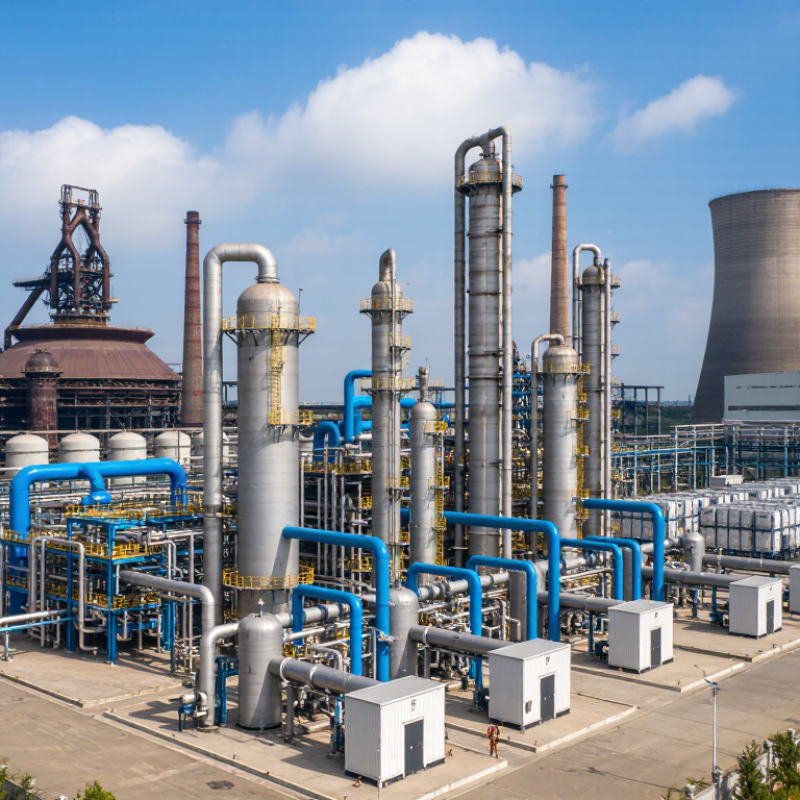
2026 Best Air Separation Unit Types for Buyers?

How Air Separation Units Produce Oxygen, Nitrogen, and Argon

An air separation unit begins with ordinary atmospheric air, but the feed must be cleaned before separation. Filters remove dust, while purification systems capture water vapor and carbon dioxide that could freeze inside cold equipment. Compressors then raise the air pressure, and heat exchangers cool it close to its liquefaction point. The machinery is substantial. Pipes may frost over, and operators monitor pressure, temperature, and product purity continuously.

In a cryogenic unit, air enters distillation columns, where components separate according to their different boiling points. Nitrogen, with the lowest boiling point of the three, concentrates near the top. Oxygen collects lower in the column. Argon boils at a temperature close to oxygen’s, so recovering it usually requires an additional column and careful control. That extra step can improve argon recovery, but it also adds equipment and operating demands. Not every plant needs it.

Smaller oxygen or nitrogen systems may use pressure swing adsorption instead. These systems selectively retain gases on adsorbent beds, then release them as pressure changes. They can suit local, moderate-demand applications, but argon recovery is generally not their strength. A useful buyer question is not simply which technology is “best,” but which products, flow rates, and purity levels the process must deliver. A tidy specification sheet can hide real operating trade-offs. Actual performance depends on feed conditions, maintenance, and plant design.

The Main Air Separation Unit Types Available to Buyers in 2026

Cryogenic air separation units cool filtered air until its components can be separated by distillation. They suit facilities needing high volumes of oxygen and nitrogen, often with argon as an additional product. Their equipment includes compressors, heat exchangers, and insulated cold boxes. The trade-off is a more complex plant and a longer startup.

Pressure swing adsorption and vacuum pressure swing adsorption units use adsorbent beds to produce nitrogen or oxygen on site. They can fit moderate flow requirements and avoid cryogenic operation. Membrane units are another option for nitrogen, especially where compact equipment and quick startup matter. Purity and recovery vary, so buyers should check actual operating data rather than rely on a headline figure. Not always obvious.

The right type depends on flow, purity, pressure, operating hours, and available utilities. A hospital, a glass furnace, and a food-packaging line may need very different supply conditions. Compare energy use at the expected load, not only at rated capacity. Ask about turndown, maintenance access, and backup supply. A spreadsheet helps, but it can miss awkward site constraints, such as limited floor space or seasonal cooling-water changes. That detail matters.

2026 Best Air Separation Unit Types for Buyers? - The Main Air Separation Unit Types Available to Buyers in 2026

Unit type Separation method Typical product and purity Typical scale and supply Common applications Buyer considerations
Cryogenic ASU Compresses, cools, and liquefies air, then separates its components by distillation at cryogenic temperatures. Can produce oxygen, nitrogen, and argon. Oxygen is commonly supplied at about 99.5% or higher; nitrogen can reach very high purity, depending on design and specification. Typically selected for large, continuous demand. Products may be delivered as gas by pipeline or as liquid for storage and transport. Steelmaking, chemicals, refineries, large medical or industrial gas networks, and liquid-gas production. Higher capital cost and greater process complexity; often attractive where demand is steady and high or multiple products are needed. Requires careful assessment of power, backup supply, and storage needs.
VPSA oxygen unit Uses vacuum pressure swing adsorption: adsorbent beds preferentially remove nitrogen from air, with vacuum used during regeneration. Typically produces oxygen-enriched gas around 90–95% oxygen by volume; it is not a source of liquid oxygen. Commonly suited to medium-to-large, continuous on-site oxygen demand; practical capacity depends on the installation and required delivery pressure. Glass production, wastewater treatment, non-ferrous metallurgy, and oxygen enrichment in industrial processes. Compare total power use, oxygen flow and pressure, turndown range, maintenance access, and the cost of backup oxygen. Product purity is below that of many cryogenic systems.
PSA oxygen unit Uses pressure swing adsorption, typically with zeolite molecular sieves, to remove nitrogen from compressed air. Usually supplies oxygen at approximately 90–95% by volume; actual purity depends on operating conditions and system design. Often used for small-to-medium on-site requirements, with modular configurations available. Product is generally supplied as gas. Healthcare oxygen systems designed for applicable regulations, aquaculture, combustion support, and smaller industrial processes. Check applicable medical or industrial standards, flow at the required pressure, air-treatment requirements, alarm and monitoring provisions, and backup arrangements.
PSA nitrogen unit Uses carbon molecular sieve beds to preferentially adsorb oxygen and other components from compressed air, producing nitrogen-rich gas. Nitrogen purity can range from roughly 95% to 99.999% or higher in specialized designs; higher purity generally affects flow and energy use. Suitable for on-site gaseous nitrogen across a broad range of industrial flow requirements; capacity and purity are interdependent. Food packaging, electronics, heat treatment, chemical blanketing, and laser cutting, subject to the process specification. Specify purity at the point of use, peak and average flow, delivery pressure, dew point, and allowable oxygen content. Compare compressor and air-dryer energy use with delivered-gas alternatives.
Membrane nitrogen unit Passes compressed air through selective hollow-fiber membranes; oxygen, water vapor, and other faster-permeating gases pass through more readily than nitrogen. Commonly produces nitrogen at moderate purity, often around 95–99.5%; achievable purity and flow depend on membrane design and operating conditions. Often selected for compact, continuous gaseous nitrogen supply at relatively modest flow and purity requirements. Tire inflation, fire prevention systems, tank blanketing, and general inerting where the specified purity is suitable. Check feed-air quality, required pressure and purity, membrane replacement considerations, and whether the process needs a higher-purity PSA or cryogenic supply.

Note: Purity and capacity figures are indicative industry ranges, not guaranteed specifications. Actual performance depends on feed conditions, operating pressure, product flow, site conditions, and the supplier’s design. Confirm requirements and applicable standards during project engineering.

How Cryogenic, PSA, VPSA, and Membrane Systems Compare

Technology & Capacity Cryogenic, PSA, VPSA, and membrane systems solve different supply problems. Cryogenic air separation suits continuous, high-volume demand and can deliver oxygen above 99.5% purity. It also produces liquid product, useful when storage or transport matters. The trade-off is a large, complex plant with a slower start-up. Smith and Klosek’s peer-reviewed review in Fuel Processing Technology (2001) compares these technologies and highlights the role of scale and product purity in system selection.

Purity & Performance For oxygen, PSA and VPSA commonly deliver about 90–95% purity; VPSA is often chosen for larger flows. PSA nitrogen units can reach very high purity, but output and recovery depend on the design. Membrane systems are compact and start quickly, making them practical for moderate-purity nitrogen at changing flow rates. They may waste more feed air when buyers push purity higher. Small detail, big impact: check the actual purity and flow guarantees at your operating pressure, not just the brochure’s headline figure.

Lifecycle Cost The U.S. Department of Energy’s 2015 chemical-manufacturing bandwidth study identifies oxygen production as an energy-intensive industrial process. That makes electricity price and annual operating hours central to lifecycle cost. A neat spreadsheet can still mislead. Feed-air quality, maintenance access, backup supply, and demand swings can change the result; compare these against measured site data before choosing.

Which Air Separation Unit Fits Your Capacity and Purity Needs?

Choosing an air separation unit begins with two numbers: required gas flow and product purity. Do not size the system from peak demand alone. Review typical hourly use, short production surges, and planned expansion. A nitrogen line serving packaging may need different purity from one protecting sensitive process equipment. Check the feed.

For large, continuous demand and high-purity oxygen or nitrogen, cryogenic separation is often suitable. It cools air until components can be separated by their boiling points, and may also recover argon. The trade-off is a larger plant, longer startup, and greater operating complexity. Pressure swing adsorption (PSA) can produce nitrogen on site at smaller or changing flow rates. Vacuum pressure swing adsorption (VPSA) is commonly used for oxygen production at substantial flow, while membrane systems can suit compact nitrogen applications where moderate purity is acceptable. Actual performance depends on feed conditions and system design.

Ask suppliers for guaranteed flow and purity at your operating conditions, not only headline specifications. Request power use per unit of product, startup time, turndown range, maintenance intervals, and backup arrangements. Inspect how product quality is monitored; a purity analyzer and clear alarm limits matter. Leave room for receivers, filters, and safe maintenance access. One detail is easy to overlook: seasonal temperature changes can affect performance. Compare total operating needs, not just purchase price.

Key Factors to Check Before Choosing an Air Separation Unit

Choosing an air separation unit starts with the product gas, not the equipment label. Set required oxygen or nitrogen purity, delivery pressure, and hourly flow using real operating data. A plant needing steady, high-purity gas may suit cryogenic separation, especially at larger capacities. For smaller or changing demand, pressure swing adsorption may be easier to operate. Vacuum pressure swing adsorption is also used for oxygen production within suitable flow and purity ranges. Check product specifications carefully.

Compare operating conditions, including inlet air temperature, humidity, dust, altitude, and available power. A dusty intake can load filters quickly, while hot weather may reduce output if the design does not account for it. A site walkdown should confirm space for compressors, cooling equipment, pipe runs, and maintenance access. Ask for performance figures based on your actual conditions, not just a reference case. Review startup time, turndown, backup supply, service intervals, and filter replacement costs. Forecasts are rarely perfect. A unit sized too tightly can become an expensive bottleneck, but excess capacity can sit idle. The right margin depends on how much demand varies across a normal week.

2026 Best Air Separation Unit Types for Buyers? Key Factors to Check Before Choosing an Air Separation Unit

Typical oxygen product purity ranges by separation technology

PSA and VPSA units commonly produce oxygen at about 90–95% purity, while cryogenic units can produce approximately 99.5–99.999%, depending on design. Before choosing, check required purity, capacity, operating pressure, energy use, site conditions, and lifecycle costs. Actual performance varies by system design and operating conditions.